The 6 best flooring options for a child’s bedroom

  • News
04. september 2021

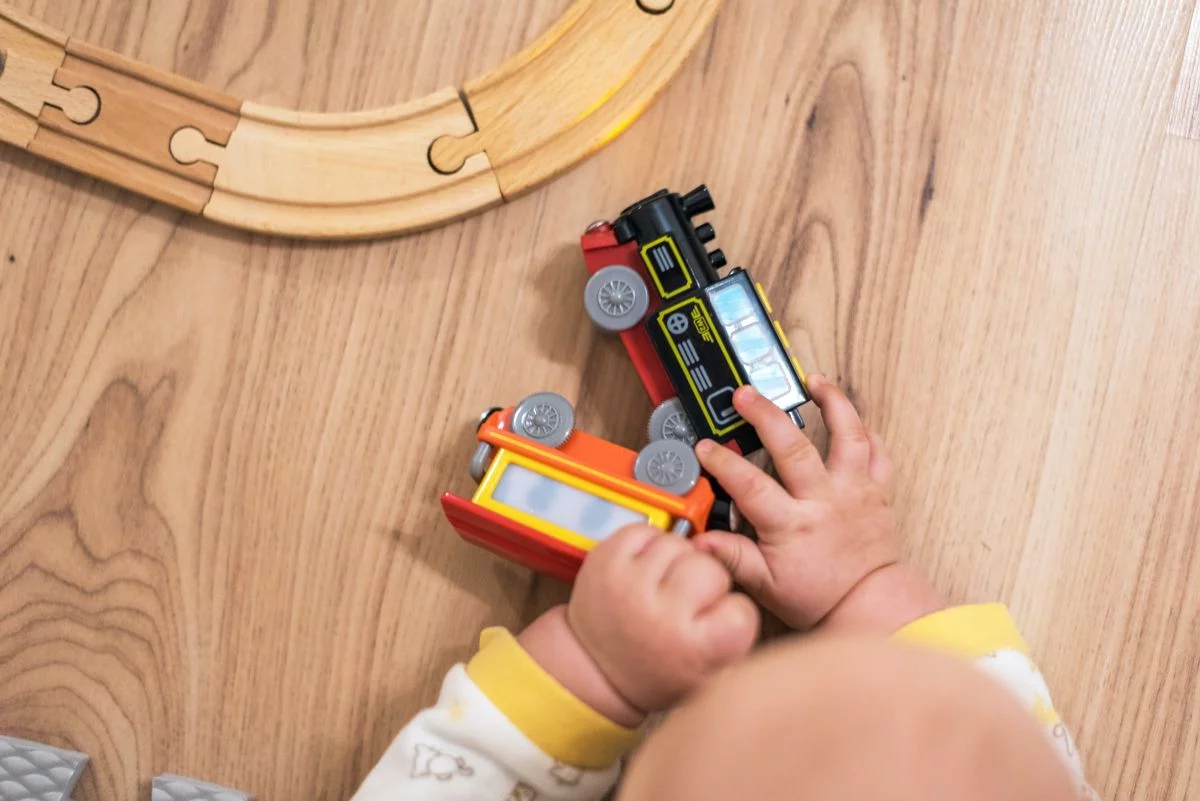
The type of flooring you choose for a child’s bedroom will have an impact on the whole room. With young children, you have to expect them to be exploring the world. This means they spend most of their time on the floor. They play, learn to walk and fall on it, bang their toys about and drop various objects from their hands.

When choosing a floor, it is important to consider how long you will need it for. Generally speaking, if your children are young, the floor you choose now may be regarded as a temporary solution.

So which one should you choose? Wooden flooring? Laminate flooring? Carpet? Vinyl flooring? Cork flooring? Composite flooring? The list is endless.

Read on to find out about some child-friendly flooring options and the features parents need to consider before buying flooring for a child’s bedroom.
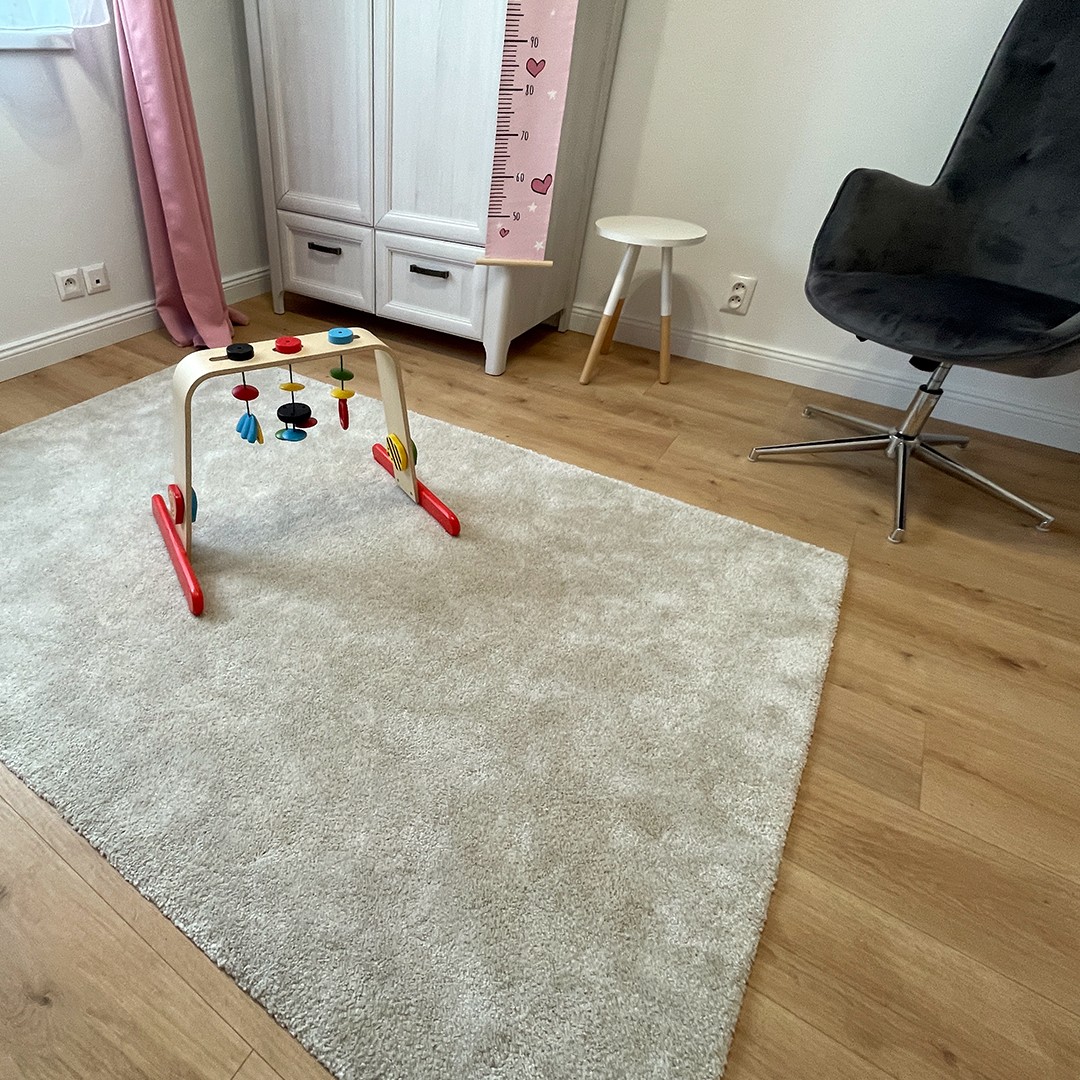
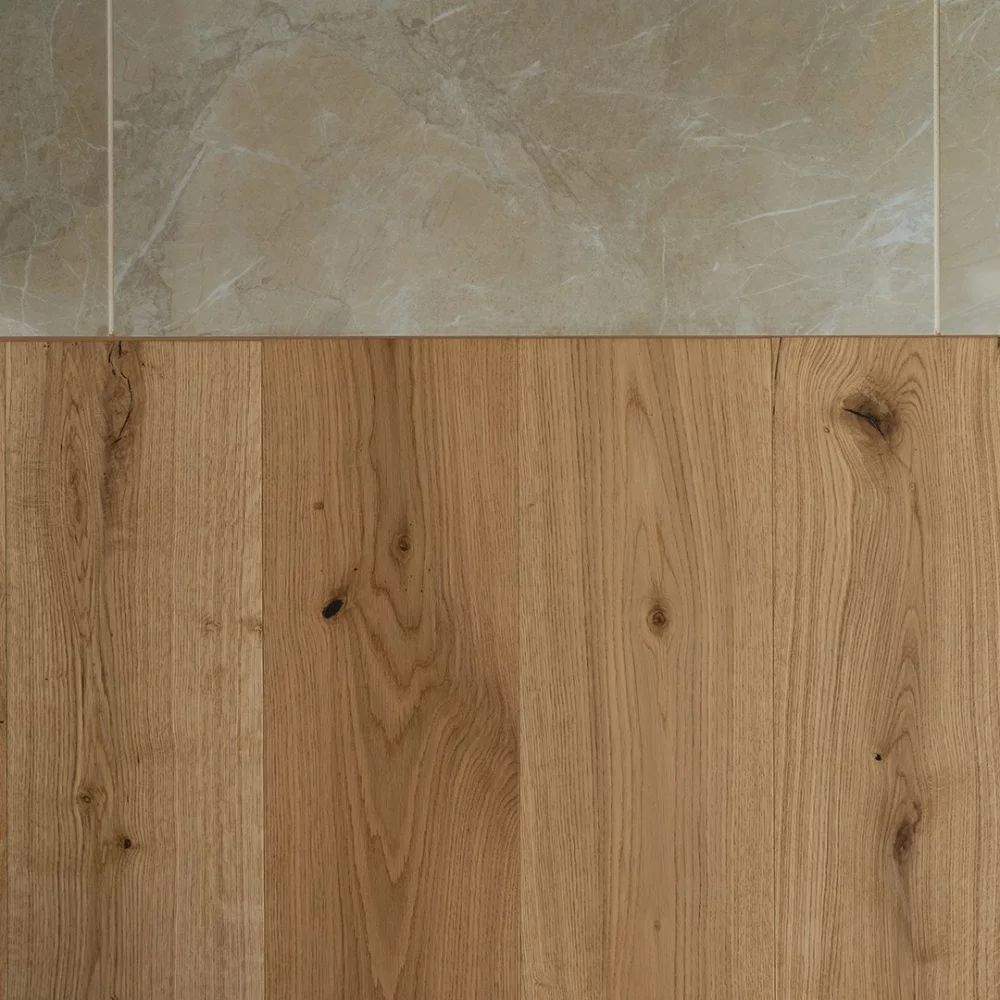
1. If you’re going for laminate flooring, why not have a carpet too?

Laminate is a material that is more suitable for older children who no longer spend as much time on the floor. The surface of laminate flooring is considered to feel cooler. Laminate flooring is one of the cheaper alternatives; a sound-insulating underlay is used during installation to prevent a hollow sound when walking. 

Although all laminate flooring is still generally regarded as being of lower quality – due to its lower price – there is now a distinction within this segment between lower and higher quality grades.

Among the high-quality laminate floors, we include collections from a manufacturer that has also launched a new range called Hydron Laminate, which is particularly water-resistant.  The Slovak laminate flooring brand Solidstep, manufactured in Germany, is also highly rated in terms of both quality and value for money.

As laminate feels cooler underfoot, we definitely recommend combining laminate flooring with a rug – which has an irreplaceable role in a child’s bedroom – particularly if you have young children.

2. Carpet

Carpet is a traditional choice for children’s bedrooms. This is largely because it is warm and soft and provides a safe landing in the event of a fall. Furthermore, carpet can dampen sounds and rumbling. It can provide temporary protection for your floor, particularly during periods when children are most active on the floor playing with toys.

However, we do not recommend wall-to-wall carpets, as they are difficult to clean and often trap a lot of dust. On the other hand, if you choose smaller rugs, you can clean them much more quickly and you can even wash them. Rugs need looking after; they must be vacuumed and cleaned regularly. Another disadvantage is if you have pets, as they can leave hair on the rug, or if your child is allergic to dust or pet hair.

Do you have underfloor heating and are you worried that the carpet will act as an insulator, preventing heat from rising from the floor? These days, you’ll find in the carpet’s specifications whether or not it’s suitable for underfloor heating. Heat transfer in carpets is determined by their density and a value measured in togs. The limit that a carpet should not exceed for effective heating is 2.5 togs. This means that thick-pile carpets, such as felt or polyurethane ones, are not suitable. 

For comfort, it is ideal to cover the floor in a child’s bedroom with a runner or a small rug.

3. Cork flooring for the best comfort and atmosphere in a child’s bedroom

Cork flooring is a rather unique choice for a child’s bedroom, offering a viable alternative to carpet. It is soft, warm and very suitable for younger children. Unlike carpet, cork flooring is antibacterial. It is a natural flooring material free from harmful substances. The surface is easy to maintain and is not easily soiled or prone to fading. This makes the room cleaner and naturally healthier.

However, there are a few drawbacks here too. Cork is very soft, which means it can be damaged quite easily. If you have pets, especially large dogs, their claws can damage the surface of the cork flooring. The sharp edges of hard plastic children’s toys can also damage the floor’s surface. However, if you’re planning to use cork flooring as a temporary solution in a children’s bedroom until they’ve grown up, it’s the best choice of flooring.

Be sure to take a look at the Egger Comfort cork flooring, which offers a range of modern designs, from wood and stone to creative patterns. This flooring carries the Blue Angel eco-certification – a seal of environmental safety. It is protected against strong UV radiation. And despite the natural properties of cork, Egger Comfort flooring is exceptionally suitable for underfloor heating.

Playing barefoot on a cork floor will be comfortable, quiet and warm for your children.

Recommended laminate flooring for children’s bedrooms

No products yet.

4. Vinyl flooring

Vinyl is durable and warmer than laminate. Vinyl flooring is low-maintenance and highly resistant to dirt and water.

The disadvantage of vinyl is that it is not entirely natural. Some poor-quality vinyl flooring is harmful to the environment. Toxins may be produced during its manufacture, which are then deposited or released into the atmosphere. When choosing a floor, pay attention to the material it is made from and check the certificates and environmental standards that the flooring should meet.

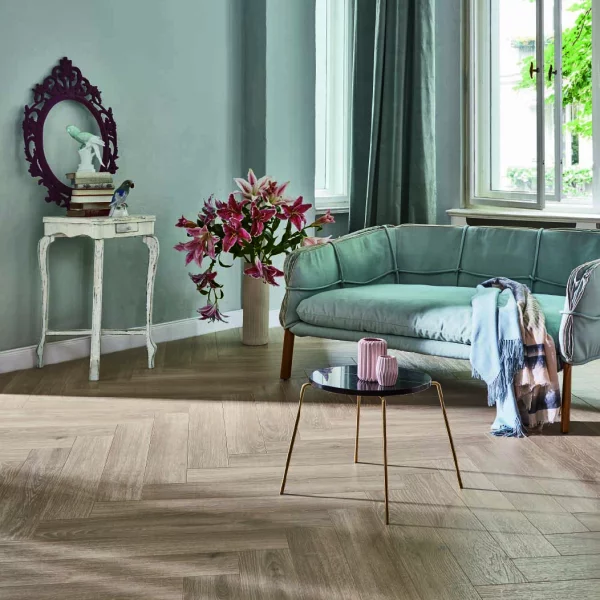
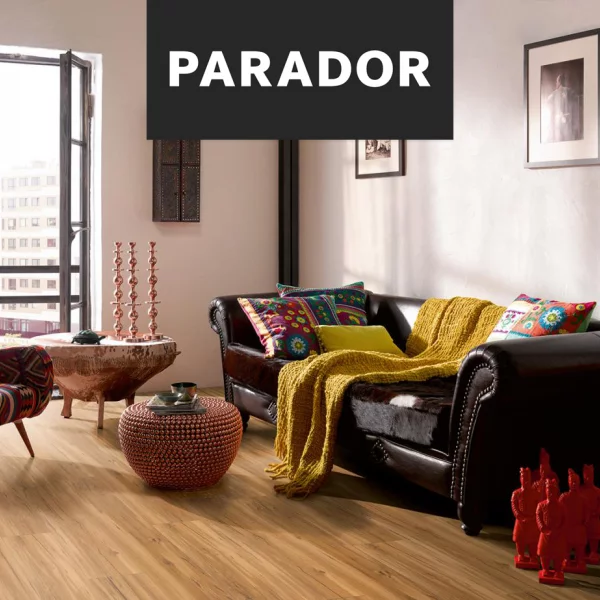
If you’re opting for vinyl flooring, we recommend the manufacturer Parador, which is monitored by independent institutions in Germany and is classified as Class A+ for indoor emissions. Parador boasts certificates confirming quality, safety, safety, and security from the manufacturing process right through to the final product.

The floors look natural and have properties that mean you need to worry about virtually no maintenance. If you have underfloor heating, vinyl allows heat to transfer very effectively, which is why combining vinyl flooring with a rug is also a good option, as it creates an even cosier look in a child’s bedroom.

5. Natural wooden flooring

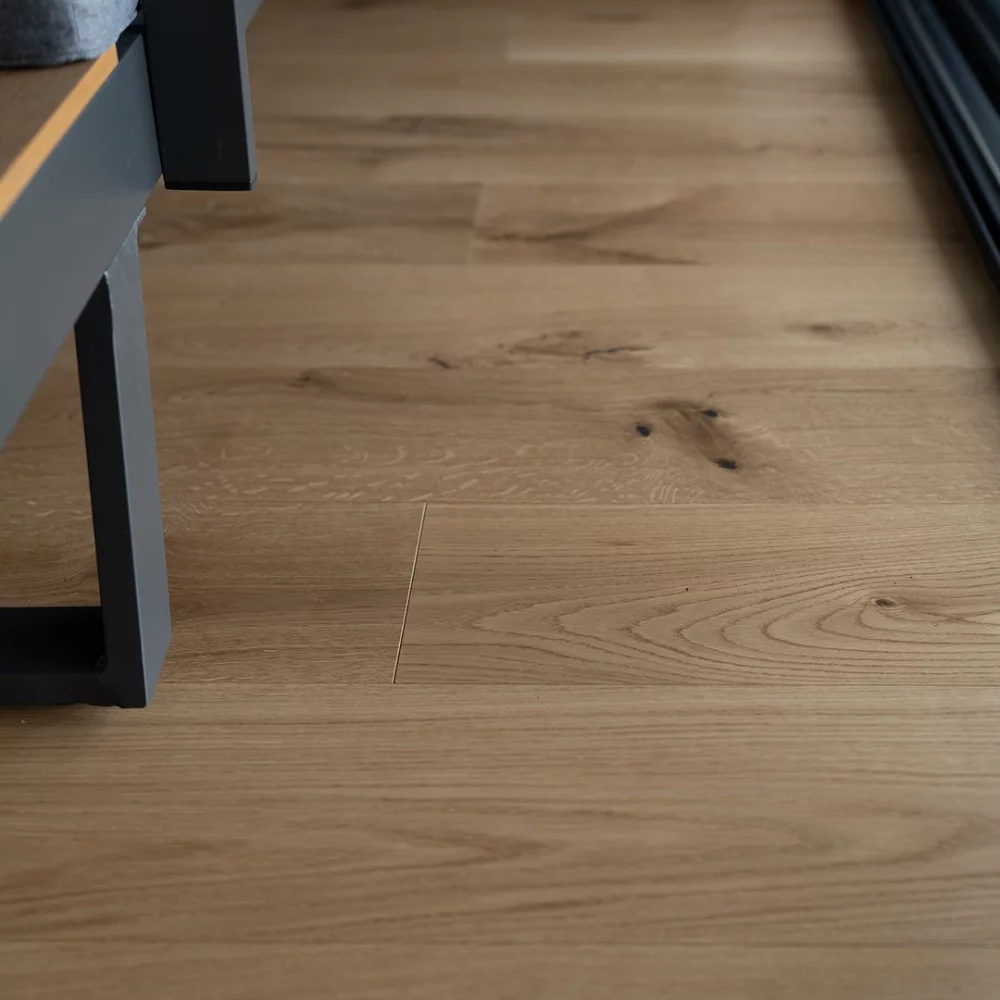
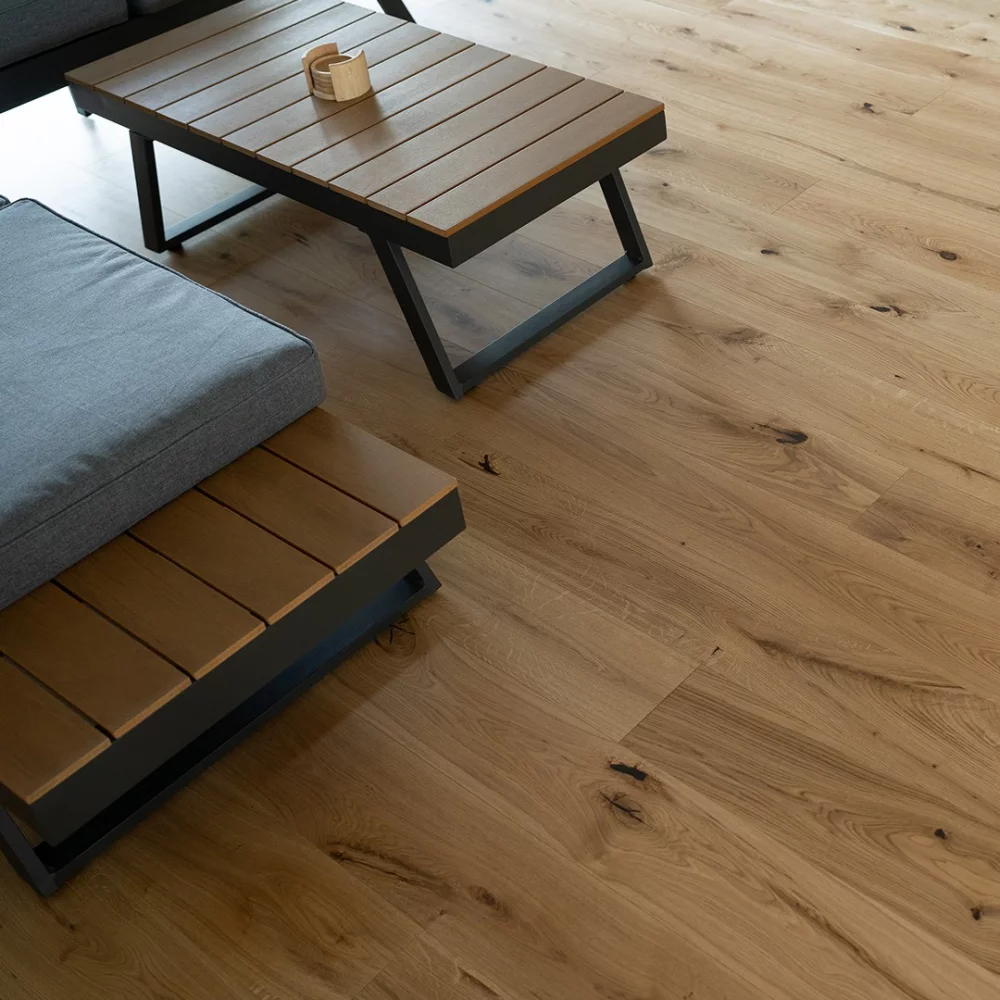
Wooden flooring is a classic choice that you simply can’t go wrong with, even in a child’s bedroom. Unfortunately, the term ‘natural’ drives up the price. Wood creates a warm atmosphere and is also very comfortable to walk on. Wooden flooring cushions children’s falls and contributes to a healthy atmosphere in the room.

Wooden floors are relatively durable. However, with rough handling – such as sharp toy edges or metal toy cars being dropped – you won’t be able to avoid scratches on the floor. On the other hand, wooden floors can be sanded down, giving the room a fresh new look.

Parador’s wooden floors are also impregnated for reliable protection against swelling.

6. Composite flooring

Composite flooring is still a relatively new type of flooring in our range. It offers the advantages of being water-resistant, scratch-resistant and stain-resistant. It is also easy to clean.

For a child’s bedroom, you can choose composite flooring on an HDF subfloor from Egger Home GreenTec or Modular One from Parador. Both are exceptionally quiet floors with an integrated cork underlay that absorbs both impact and airborne noise, thereby enhancing walking comfort. They are eco-friendly, manufactured in Germany from natural wood fibres, and have an R10 slip resistance rating.

The second type of composite flooring comprises floors with an HD mineral core, such as SPC BiClick from Afirmax or SPC from Parador. They are quiet and soft to the touch. They contain no phthalates or harmful plasticisers. With these floors, you can create a seamless flow between rooms without the need for expansion joints. These floors are the ideal choice for people with allergies.

Each of these solutions for children’s bedrooms has its own advantages and disadvantages in terms of comfort, durability and design options. It all depends on your priorities.

Popular articles

Sign up to our newsletter and receive regular updates on flooring