





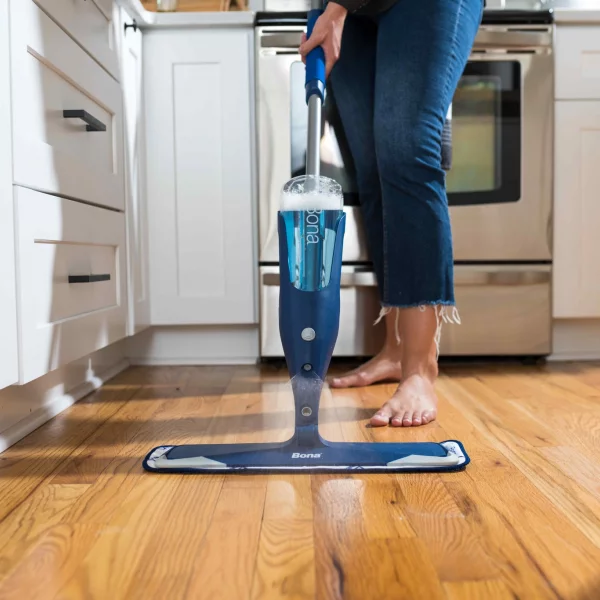


Even laminate flooring itself can cope with the occasional spill of water or water from a plant pot. However, if we’re talking about a situation where there’s a continuous layer of water on the floor for an extended period due to flooding, laminate flooring is at a disadvantage here. And the best option is a 100% waterproof composite or vinyl floor, fitted using an adhesive.
How can I tell if I need to replace my laminate flooring after flooding?
First, the bad news – in the vast majority of cases, complete flooding of laminate flooring is a sign that you’ll have to replace it. Laminate flooring is made from natural materials which, after brief exposure to large amounts of water, absorb water and swell. The method of installation also works against the durability of laminate flooring during flooding. When exposed to a continuous layer of water, the floor will sooner or later let water in at the joints, and the subfloor will begin to absorb it.
Although during floods, priorities lie elsewhere than with property and flooring, once the flooding has subsided, the resulting damage must be addressed. If you ignore water-damaged laminate flooring, you are asking for trouble. The damage may not be immediately apparent – it can take some time before the flooring starts to warp or bulge. However, this will only cause further damage.
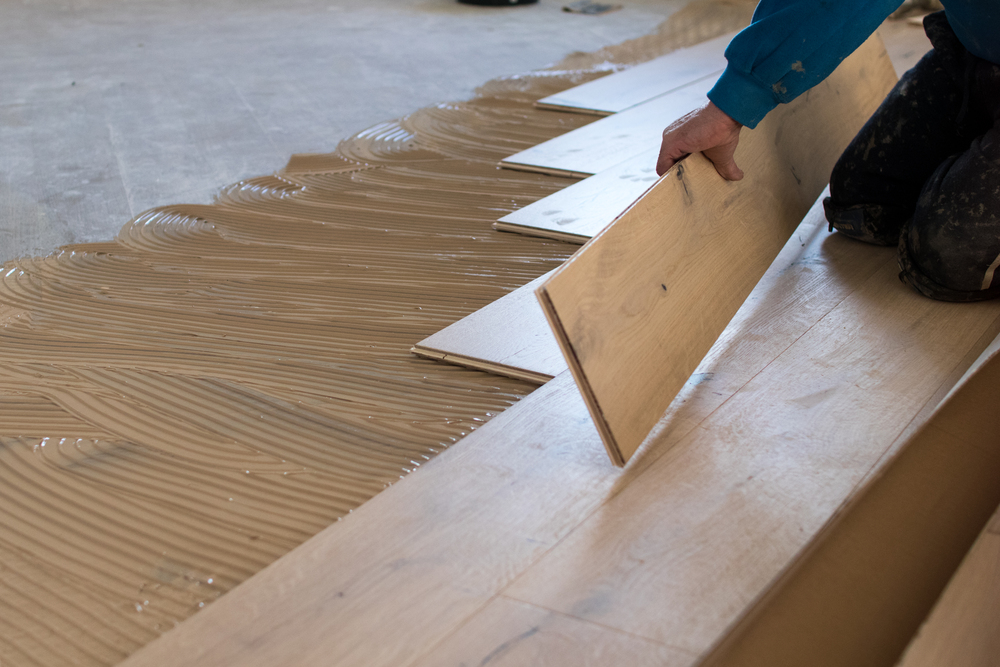
Once you’ve managed to dry out the room after a flood, start by removing the skirting boards. In the expansion gap, you’ll be able to see just how badly your floor and underlay have been affected, and how much water has seeped in. At first glance, the floor may appear to be dry and almost in good condition, but moisture may still remain beneath it. This is a problem because you risk mould developing in the future and compromising the room’s microclimate.
Should you replace the whole floor or just part of it?
It is often the case that problems following a flood only become apparent in a small part of the room. The floor swells, but only in one corner. What should you do in this case? We recommend starting by inspecting the floor in this exact spot and gradually removing the damaged planks. Then, make sure that the damage has not spread to the surrounding planks.
Ideally, you should dismantle the floor to check that the subfloor itself is still dry and undamaged. However, if the other parts that were not affected by the flooding are in good condition, you can replace the affected section of the floor locally. Always remove the entire plank, even if only a small part of it is damaged.
Before installing new planks, check thoroughly that the subfloor beneath them is in good condition and shows no signs of mould. Depending on how much time you have, leave the subfloor exposed and clean it, then treat it with an anti-mould disinfectant.
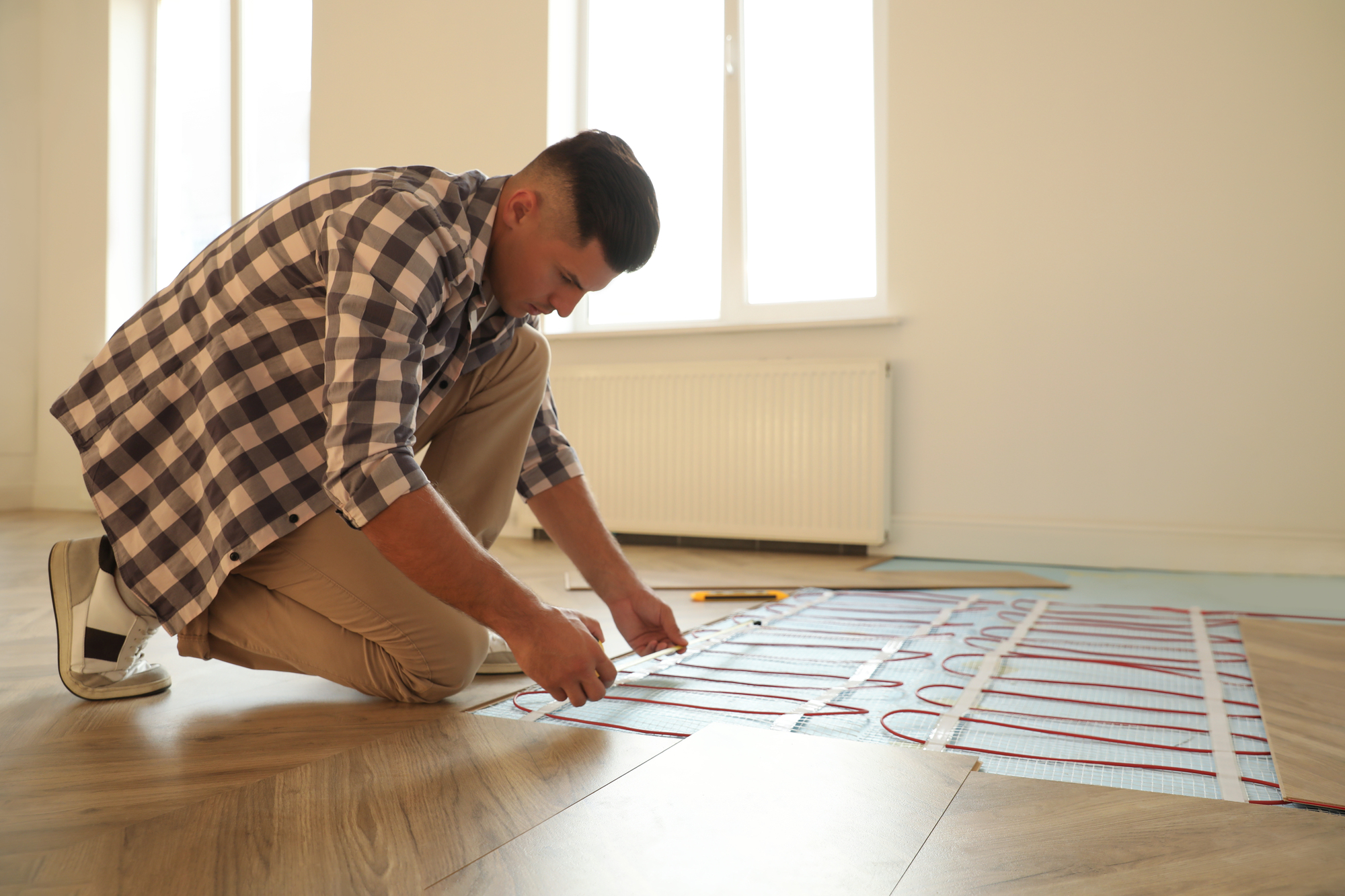
Why treat the subfloor? Water ingress from the mains supply differs from floodwater in that floodwater is not drinkable, which increases the risk of bacteria. Once you have followed these steps, you can lay the new planks. It is more important than ever to allow the planks to acclimatise to the temperature of the room in which they will be laid before installation.
Can water-damaged laminate flooring be repaired?
The answer is yes, but the damage must be minimal. Floating floors damaged by flooding must be replaced. This is not only because of the subsequent risk of further damage to the floor, but also due to hygiene and health risks.
A better choice for areas at risk of flooding is 100% water-resistant flooring installed using an adhesive. If such a floor is installed to a high standard, it will not let water through for a prolonged period and will increase your chances of not having to replace the entire floor after a flood.
Flooded floors are an unpleasant business that puts a strain on your budget and takes up your time. In such a situation, it is some consolation to know how to lay flooring properly and reduce the risk of having to replace it after flooding in the future. A floor laid to a high standard – even if it is laminate – will give you a little more time before water penetrates the subfloor and causes it to swell.
 Testovací B2B článok 1
  Vážený zákazník (NÁZOV)